
Mediterranean Diet
Recently Added Mediteranian Diet Recipes
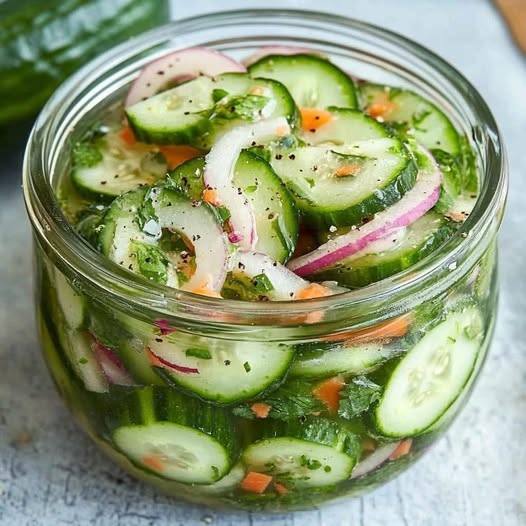
Pickled Cucumber Salad
“This Fresh Pickled Cucumber Salad stays in the refrigerator for up to two months, but never lasts that long! It’s better as it sits, and I love it as a snack.

Lemon Chicken & Veggie Orzo Stir Fry
A zesty, colorful one-pan meal that’s bursting with flavor and ready in no time!
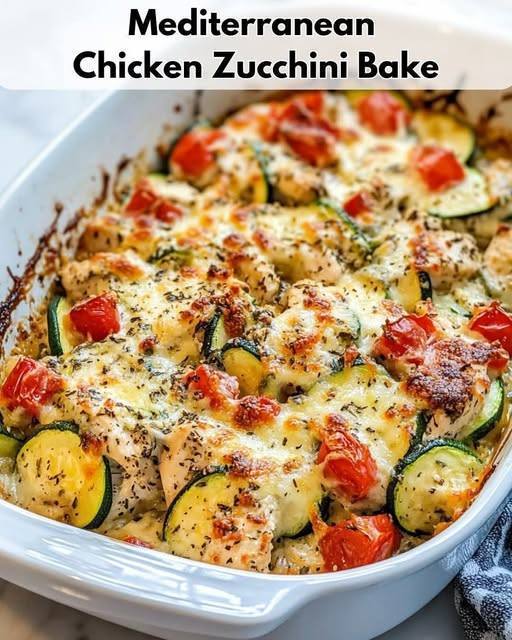
Mediterranean Chicken Zucchini Bake
Get ready to enjoy a flavorful and healthy dish with this Mediterranean-inspired chicken zucchini bake. Packed with protein and veggies, it’s a perfect meal for any day of the week.
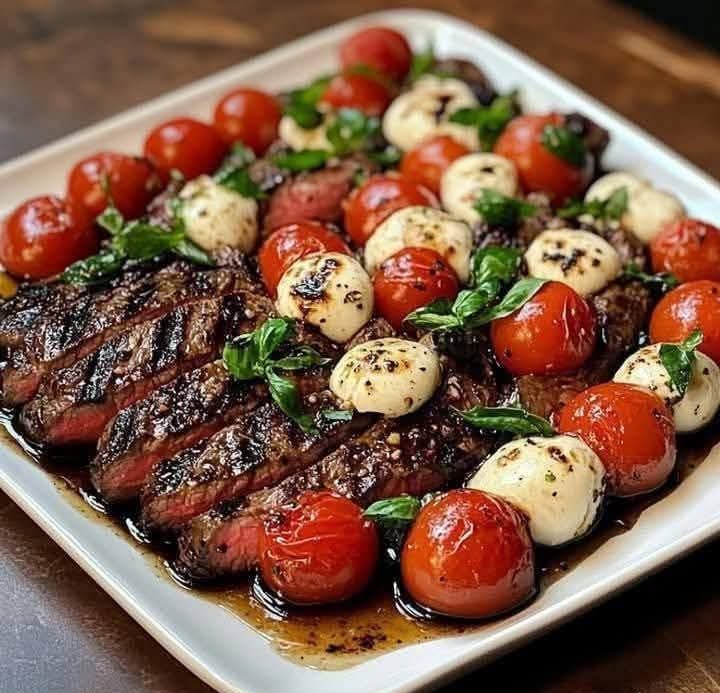
Balsamic Caprese Grilled Flank Steak Recipe
Balsamic Caprese Grilled Flank Steak Recipe 🛍️ Ingredients 1 lb flank steak (trimmed)¼ cup balsamic vinegar2 tbsp olive oil2 garlic cloves, minced1 tsp Dijon mustardSalt and cracked black pepper1 cup cherry tomatoes (some blistered/grilled, some fresh)1 cup fresh…

Garlic Butter Lobster and Scallops
This Garlic Butter Lobster and Scallops dish is a luxurious seafood delight! Tender lobster tails and juicy scallops are cooked in a rich garlic butter sauce for an elegant meal.
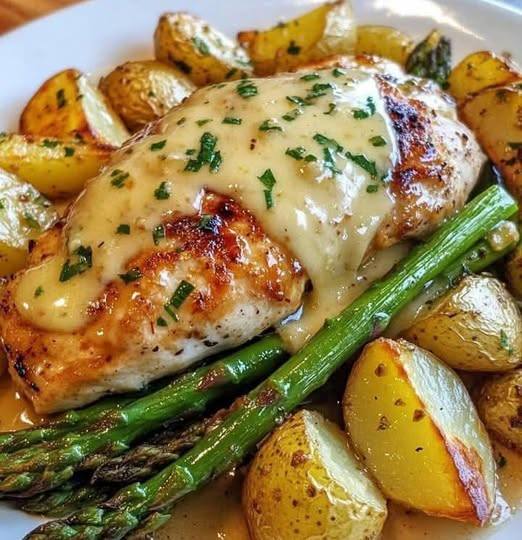
Honey Mustard Chicken with Roasted Asparagus and Cheese
Honey Mustard Chicken with Roasted Asparagus and Cheese Ingredients: – 4 chicken breasts – 4 tbsp honey – 3 tbsp Dijon mustard – 2 garlic cloves, minced – 500g asparagus – 4 medium potatoes – 1 cup shredded cheese (such as cheddar or mozzarella) – Salt and pepper, to…
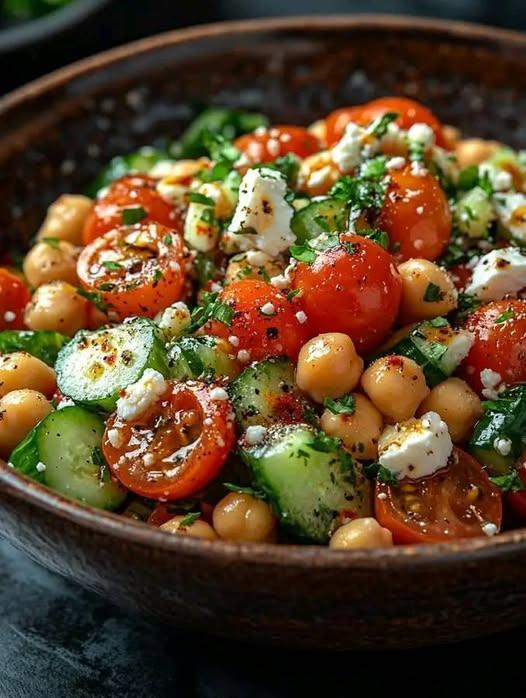
Mediterranean Chickpea Salad
Mediterranean Chickpea Salad Recipe: Ingredients: – 1 can chickpeas, drained and rinsed – 1/2 cup cherry tomatoes, halved – 1/2 cucumber, diced – 1/4 cup red onion, finely chopped – 1/4 cup feta cheese, crumbled – 2 tbsp olive oil – Juice of 1 lemon – 1 tsp oregano -…

Seafood Bisque Recipe
Seafood Bisque with Crab, Shrimp, and Lobster
Mediterranean Quinoa Bowl
Utensil: SaladMaster 5 Qt. (4.7L) Multi-Purpose Oil Core with Cover Ingredients: • 1 1/2 cups quinoa (rinsed) • 2 cups vegetable broth • 1 cup cherry tomatoes (halved) • ½ cucumber (diced) • ¼ cup feta cheese (crumbled) • 2 tbsp olive oil • 1 lemon (juiced) • ½ tsp…
Mediterranean Diet
Mediterranean diet for heart health
The Mediterranean diet is a healthy-eating plan. It’s focused on plants and includes the traditional flavors and cooking methods of the region.
If you’re looking for a heart-healthy eating plan, the Mediterranean diet might be right for you. It’s less of a diet, meaning a restricted way to eat, and more of a lifestyle.
It blends the basics of healthy eating with the traditional flavors and cooking methods of the people in the Mediterranean region.
Why the Mediterranean diet?
Diet is known to have an effect on long-term diseases. These include heart and blood vessel problems known as cardiovascular disease. Observations from a study in the 1960s found that cardiovascular disease was linked to fewer deaths in some Mediterranean countries, such as Greece and Italy, than in the U.S. and northern Europe.
More-recent studies linked the Mediterranean diet with lower risk factors for heart disease, such as high cholesterol and high blood pressure.
Today, the Mediterranean diet is one of the healthy eating plans that American nutrition experts recommend. It’s also recognized by the World Health Organization as a healthy-eating pattern.
Many cultures have eating patterns similar to the Mediterranean diet, including Japan, for example.
And other diets have some of the same recommendations as the Mediterranean diet. Two examples are the Dietary Approaches to Stop Hypertension (DASH) diet, and the Dietary Guidelines for Americans.
Research suggests that it’s key to follow the Mediterranean diet over the long term for your heart to benefit.
What is the Mediterranean diet?
The Mediterranean diet is a way of eating based on the traditional cuisine of countries bordering the Mediterranean Sea. There’s no single definition for the diet. But most often, it’s high in:
- Vegetables.
- Fruits.
- Whole grains.
- Beans.
- Nuts and seeds.
- Olive oil.
- Seasoning with herbs and spices.
The main steps to follow the diet include:
- Each day, eat vegetables, fruits, whole grains and plant-based fats.
- Each week, have fish, poultry, beans, legumes and eggs.
- Enjoy moderate portions of dairy products.
- Limit how much red meat you eat.
- Limit how many foods with added sugar you eat.
Some other elements of the Mediterranean diet are to:
- Share meals with family and friends.
- Get regular exercise.
- Enjoy wine in moderation if you drink alcohol.
Plant based, not meat based
The foundation of the Mediterranean diet is plant foods. That means meals are built around vegetables, fruits, herbs, nuts, beans and whole grains.
Moderate amounts of dairy, poultry and eggs are part of the Mediterranean diet, as is seafood. In contrast, red meat is eaten only once in a while.
Healthy fats
Unsaturated fats are a strength of the Mediterranean diet. They’re eaten instead of saturated and trans fats, which play roles in heart disease.
Olive oil and nuts are the main sources of fat in the Mediterranean diet. They provide unsaturated fat. When unsaturated fat comes from plant sources, it seems to lower levels of total cholesterol as well as low-density lipoprotein, also called LDL or “bad” cholesterol.
Replacing saturated fat with polyunsaturated fat lowers risk of cardiovascular disease events and death related to cardiovascular disease, according to the Dietary Guidelines for Americans.
Seafood, seeds, nuts, legumes and some vegetable oils have healthy fats, including the polyunsaturated kind.
Fish also are a key part of the Mediterranean diet. Some healthy choices are:
- Mackerel.
- Herring.
- Sardines.
- Albacore tuna.
- Salmon.
- Anchovies.
These are known as fatty fish. And the fats they contain are omega-3 fatty acids.
Omega-3s are unsaturated fats that may lower immune system action in the body known as inflammation. They also may help reduce blood fats called triglycerides, and they affect blood clotting. Omega 3s may lower the risk of stroke and heart failure too.
Lean fish and shellfish also are included in the Mediterranean diet. Shellfish include shrimp, crab, clams and scallops. Some types of lean fish are cod, haddock, hake and whitefish.
Choose fish that are low in mercury, such as the ones listed above. This is important for children ages 1 to 11 and people who are pregnant and breastfeeding.
Too much mercury can harm the brain and nervous system over time. If your family catches and eats fish, check local fish advisories to find out about any cases of mercury contamination.
What about wine?
Like people all over the world, some who live in the Mediterranean region drink alcohol and some do not. Many versions of the Mediterranean diet include some wine with a meal.
Red wine tends to be included more often than is white wine. Some experts and dietary guidelines recommend that women limit themselves to one glass of wine a day, and for men no more than two glasses a day.
Alcohol has been linked with a lower risk of heart disease in some studies. But it’s not risk-free. So don’t start to drink alcohol or drink more often in hopes of gaining possible health benefits.
Recent studies cast doubt on the notion that even a little alcohol may be good for the heart.
One large study suggested that people who regularly drank any amount of alcohol had a higher risk of high blood pressure and coronary artery disease. The more alcohol they drank, the higher the risk.
Another study found that having slightly more than one alcoholic drink a day was linked with a higher risk of atrial fibrillation, a type of irregular heartbeat.
If you drink alcohol, talk to your health care provider or a specialist in nutrition, called a dietitian, to figure out what amount — if any — is right for you.
Factors that affect your decision might be the extra calories alcohol brings to the diet, or any kidney or liver problems you may have. And if you just don’t like the taste of alcohol, that’s a good reason to stay away from it too.
Eating the Mediterranean way
Want to try the Mediterranean diet? These tips will help you get started:
- Eat more fruits and vegetables. Each day, aim for 2 to 3 servings of fruit and four or more servings of vegetables. One serving of fruit equals a medium piece of whole fruit or one cup of chopped. One serving of vegetables equals two cups of leafy produce, one cup of raw veggies, or half a cup of cooked vegetables.
- Choose whole grains. Switch to whole-grain bread, cereal and pasta. You also can try other whole grains, such as bulgur, barley and farro. If you eat about 2,000 calories a day, aim to have at least 3 ounces of whole grains. You can get 1 ounce from a slice of bread, a cup of ready-made cereal, or half a cup of cooked rice or pasta. Read the Nutrition Facts label to find out how much of a product is in one serving.
- Use unsaturated fats from plants. Replacing saturated fats with unsaturated fats may help lower the risk of heart disease. For example, you could replace butter with olive, canola, or safflower or sunflower oil in cooking or at the table. And instead of putting butter or margarine on bread, you could use nut or seed spreads on toast or on an apple.
- Eat more seafood. Eat fish or shellfish 2 to 3 times a week. Children and people who are pregnant or breastfeeding may want to limit certain types of fish due to mercury levels. One serving of fish is around 3 to 5 ounces for adults. That’s about the size of a deck of cards. The U.S. Food and Drug Administration recommends smaller servings for children twice a week.
- Fresh or water-packed tuna, salmon, trout, mackerel and herring are healthy choices. Stay away from deep-fried fish.
- Get nuts. Each week, aim to eat four servings of raw, unsalted nuts. One serving is a quarter of a cup.
- Enjoy some dairy. Some good choices are skim or 1% milk, low-fat cottage cheese, and low-fat Greek or plain yogurt. Limit how much cheese you eat. One serving is about the size of four dice. And cut back on higher fat dairy. That includes whole and 2% milk, butter, margarine, and ice cream.
- Reduce red and processed meat. Eat more fish, poultry or beans instead. If you eat meat, make sure it’s lean and keep portions small. And before you cook it, first try to remove any fat you can see.
- Spice it up. Herbs and spices boost flavor and lessen the need for salt.
The Mediterranean diet has a lot of flexibility, so you can make it a delicious and nutritious way to eat. Follow this eating pattern long-term to get the most of out of it.
0 Comments